Tiếng Việt
How Long Does Postpartum Melasma Take to Improve? A Detailed Guide for New Mothers
Postpartum melasma is a common skin concern that causes many women to lose confidence due to dark patches appearing on the cheeks, forehead, chin, or around the mouth. After the major physical and hormonal changes of pregnancy and childbirth, the skin is also significantly affected, making melasma a frequent issue among new mothers. So, how long does postpartum melasma take to improve? Can it disappear naturally? What are the safest and most effective ways to restore healthy skin? The article below will help you better understand the causes, recovery timeline, and the best treatment solutions available today.
What Is Postpartum Melasma?
Postpartum melasma is a skin pigmentation disorder caused by increased melanin production due to hormonal changes during and after pregnancy. This condition commonly appears from the fourth month of pregnancy and may continue after childbirth.
Common signs of postpartum melasma include:
- Light to dark brown patches on the skin
- Uneven skin tone
- Concentration around the cheeks, forehead, nose, and chin
- Darkening of pigmentation when exposed to sunlight
Although melasma does not affect physical health, it can make the skin look dull and uneven, causing many women to feel self-conscious in daily life.

How Long Does Postpartum Melasma Take to Improve?
In general, postpartum melasma may improve within 6 months to 2 years depending on genetics, severity, and skincare habits.
For some women, melasma fades gradually within 6–12 months as hormone levels return to normal. However, in many cases, melasma can persist longer if the skin is not properly cared for or if there is frequent exposure to sunlight.
Common Recovery Milestones
3–6 Months After Childbirth
- Hormones gradually begin to stabilize
- Some pigmentation starts to fade
- Skin slowly recovers with proper rest and care
6–12 Months
- Melasma may noticeably improve in women with good skin recovery
- Skin tone becomes brighter and more even
- New pigmentation spots stop appearing
1–2 Years
- Melasma may significantly fade or disappear in mild cases
- Deep dermal melasma may remain if left untreated
Overall, the recovery timeline varies from person to person. Some women experience quick improvement, while others may struggle with melasma for years.
Why Does Postpartum Melasma Take So Long to Fade?
Many mothers wonder why melasma remains even long after giving birth. In reality, several factors can prolong the condition.
Hormonal Imbalance
After childbirth, estrogen and progesterone levels do not return to normal immediately. Hormonal fluctuations continue stimulating melanin production, making melasma more difficult to fade.
Lack of Sleep and Stress
New mothers often stay up late caring for their babies, and prolonged stress weakens the skin and slows down skin regeneration.
Inadequate Sun Protection
UV rays are one of the biggest triggers that darken and spread melasma. Without consistent sunscreen use, pigmentation becomes much harder to treat.
Improper Skincare
Using harsh whitening creams, unverified products, or aggressive peeling treatments can damage the skin barrier and worsen melasma.
Genetic Factors
Women with a family history of melasma are more likely to experience persistent postpartum pigmentation.
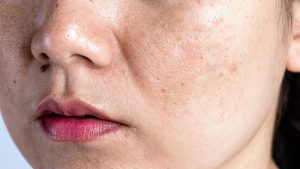
Can Postpartum Melasma Go Away Naturally?
The answer is YES, but not in every case.
Mild melasma caused by temporary hormonal changes may fade naturally once the body regains hormonal balance. However, deep melasma or mixed-type melasma rarely disappears completely without treatment.
In addition, poor skincare habits may cause melasma to:
- Become darker over time
- Spread to larger areas of the face
- Become more difficult to treat later
Therefore, early care and treatment are essential for faster and more effective improvement.
How to Improve Postpartum Melasma Faster
To safely and effectively reduce pigmentation, mothers should combine both internal and external skincare methods.
Use Sunscreen Every Day
This is the most important step in preventing and improving melasma.
You should:
- Use sunscreen with SPF 30 or higher
- Reapply every 2–3 hours when outdoors
- Wear hats, masks, and protective clothing under the sun
Even indoors, UV rays and blue light exposure can still affect the skin through windows and electronic devices.
Maintain a Healthy Diet
A nutritious diet supports faster skin recovery.
Recommended foods include:
- Green vegetables and vitamin C-rich fruits
- Foods containing natural collagen
- Salmon, walnuts, and almonds
- Plenty of water throughout the day
Limit:
- Oily and processed foods
- Refined sugar
- Alcohol and stimulants
Get Enough Sleep and Reduce Stress
Sleep helps the body regenerate cells and restore hormonal balance. New mothers should:
- Sleep 7–8 hours daily whenever possible
- Rest when the baby sleeps
- Maintain a positive and relaxed mindset
Long-term stress not only worsens melasma but also accelerates skin aging.
Use Safe Skincare Products
After childbirth, especially during breastfeeding, mothers should prioritize gentle and safe skincare products.
Effective and breastfeeding-safe ingredients include:
- Vitamin C
- Niacinamide
- Azelaic Acid
- Tranexamic Acid
- Alpha Arbutin
Avoid using products containing hydroquinone or high-strength retinoids without medical advice while breastfeeding.
Professional Treatments for Postpartum Melasma
If melasma persists for years or becomes severe, professional treatments may be considered, such as:
- Laser therapy
- Chemical peels
- Mesotherapy
- Microneedling skin rejuvenation
However, postpartum women should consult a dermatologist before choosing any treatment to ensure safety and effectiveness.
When Should You See a Dermatologist?
You should seek professional advice if:
- Melasma spreads rapidly
- Your skin becomes irritated or inflamed
- There is no improvement despite proper care
- Pigmentation becomes very dark and affects your confidence
A dermatologist can identify the type of melasma and create the most suitable treatment plan.
Common Mistakes When Treating Postpartum Melasma
Many women make mistakes while trying to improve their skin quickly, which can actually worsen melasma.
Using Unsafe Whitening Creams
Low-quality or steroid-containing creams can thin the skin and cause severe rebound pigmentation later.
Starting Intensive Treatments Too Early
The body remains sensitive after childbirth, and using strong treatments too soon may irritate the skin.
Lack of Patience
Melasma treatment requires consistency. Most treatments need at least 2–3 months before noticeable improvement appears.
How long postpartum melasma takes to improve depends on hormonal balance, genetics, lifestyle, and skincare habits. In most cases, melasma gradually fades within 6 months to 2 years after childbirth. However, proper sun protection, healthy nutrition, safe skincare, and a balanced lifestyle can significantly speed up recovery.
Most importantly, mothers should remain patient and choose safe treatment methods. If melasma becomes severe or persistent, consulting a dermatologist is the best way to achieve effective and long-lasting results.
Bài viết liên quan


Beauty Blog News