Tiếng Việt
How Long Does It Take for Skin to Improve With Proper Care?
Many people begin a skincare routine expecting to see results as quickly as possible. After only a few days of using new products, they often check the mirror repeatedly, hoping for immediate changes, and feel disappointed when their skin does not improve right away. In reality, the skin needs time to recover, renew itself, and adapt to active ingredients. That is why the question “How long does it take for skin to improve with proper care?” is one of the most common concerns in skincare.
The truth is that there is no fixed timeline that applies to everyone. The speed of skin improvement depends on many factors, including the skin’s initial condition, age, genetics, lifestyle, and daily skincare habits. However, when you follow a suitable skincare routine consistently and correctly, your skin will gradually become healthier and more radiant over time.
This article will help you understand how the skin healing process works, how long it typically takes to see visible improvements, and the factors that influence your skin’s recovery journey.
Why Skin Cannot Improve Overnight
Many people are influenced by advertisements that promise “bright skin in 7 days” or “clear acne overnight.” However, the skin functions according to natural biological processes, meaning real improvement cannot happen instantly.
The skin has its own cell renewal cycle. For healthy young skin, this cycle usually takes around 28 days. As we age or experience skin conditions such as acne, melasma, or irritation, this regeneration process becomes slower and may take much longer. This means skincare products also need time to deliver noticeable results.
Additionally, different skincare ingredients work in different ways. Hydrating ingredients may make the skin feel softer within a few days, but deeper concerns such as melasma, acne scars, or stubborn hyperpigmentation often require several weeks or even months to improve significantly.
Expecting instant results often causes people to switch products too frequently or overuse strong treatments, which can overwhelm and damage the skin instead of helping it heal.
The First Signs of Skin Improvement
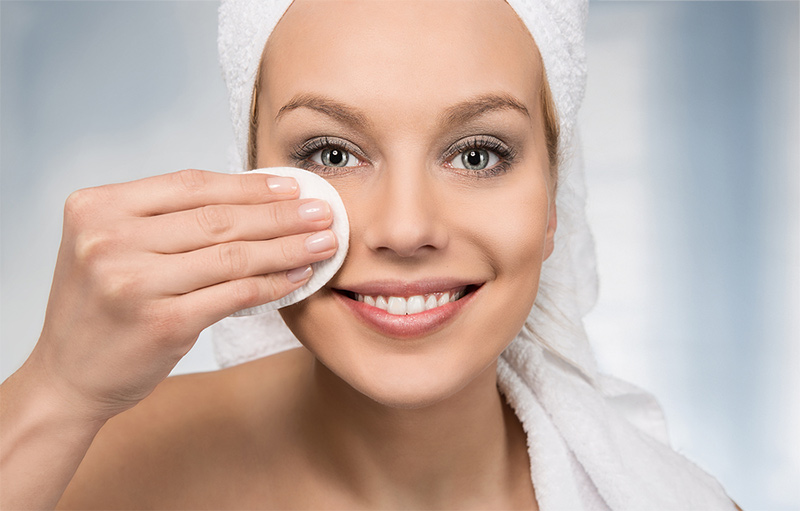
When you follow a proper skincare routine, your skin usually begins showing subtle signs of improvement during the first few weeks. However, these early changes are often gentle and may require careful observation.
Within the first one to two weeks, the skin typically becomes more hydrated and smoother. This happens because the skin barrier starts retaining moisture more effectively and preventing water loss. If your skin was previously dry or dull, you may notice a softer texture and reduced flakiness.
For people with sensitive or damaged skin, reduced redness and irritation are also positive signs that the skin barrier is recovering properly.
After approximately four to six weeks, the skin often begins to appear more even-toned and naturally radiant. This timeframe aligns with a complete skin renewal cycle. If the skincare routine is maintained consistently, concerns such as mild dark spots, rough texture, and enlarged pores may gradually improve as well.
How Long Does It Take for Acne-Prone Skin to Improve?
Acne is one of the skin concerns that requires the most patience and consistency. Many people give up too early because they assume products are ineffective after only a few weeks of use.
In reality, acne treatment often requires at least six to twelve weeks before noticeable improvements become visible. During the early stages, the skin may go through a purging phase when using active ingredients such as Retinol, BHA, or Benzoyl Peroxide. This process occurs because skin cell turnover increases, pushing underlying clogged pores and impurities to the surface.
With proper care, inflammation gradually decreases, breakouts become less frequent, and the skin starts stabilizing after around two to three months.
However, the speed of improvement also depends heavily on lifestyle habits. People who regularly stay up late, experience high stress levels, or maintain an unhealthy diet may struggle to achieve optimal results even when using high-quality skincare products.
How Long Does It Take for Melasma and Dark Spots to Fade?
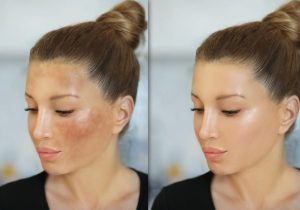
Melasma and hyperpigmentation are deeper pigmentation issues that usually require more time to improve. This is also why many people lose patience during treatment.
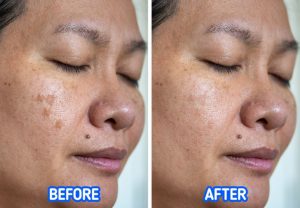
Mild dark spots may begin fading after six to eight weeks when active ingredients such as Vitamin C, Niacinamide, or Alpha Arbutin are used consistently.
Melasma, on the other hand, often requires at least three to six months before significant improvements become visible. In cases involving hormonal melasma or deep pigmentation, treatment may take even longer.
One of the most important factors in treating melasma is proper sun protection. Without protecting the skin from UV rays, melanin production continues, making even the best skincare routine less effective.
Why Do Some People See Faster Results Than Others?
Every person’s skin heals and regenerates at a different pace due to several factors.
Age is one of the most important influences. Younger skin generally renews itself more quickly because collagen and elastin production remain active. In contrast, skin over the age of 30 often takes longer to recover and show visible improvement.
The skin’s initial condition also plays a major role. Mild dehydration can be corrected relatively quickly, while severe acne, long-term irritation, or damaged skin barriers require much more time and care.
Lifestyle habits directly affect overall skin health as well. People who sleep well, stay hydrated, and follow a nutritious diet tend to experience faster and more noticeable skin improvements.
Consistency is another key factor. Skincare is a long-term process, not an instant solution. People who maintain a stable routine usually achieve more sustainable and lasting results compared to those who constantly change products.
Common Mistakes That Slow Down Skin Improvement
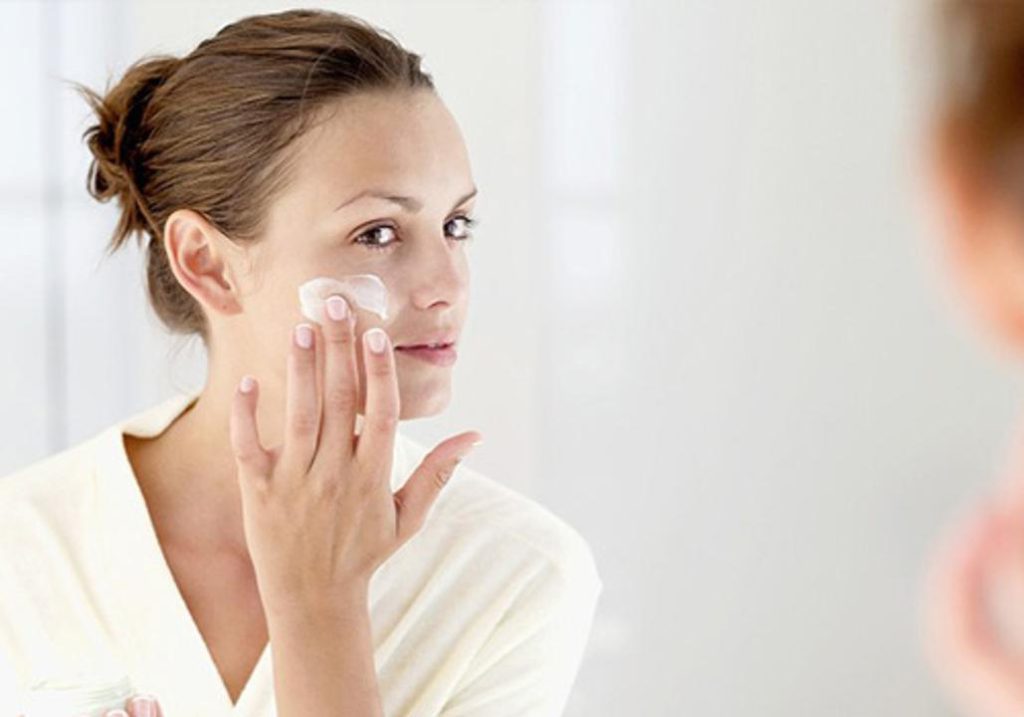
One of the most common mistakes is using too many products at the same time. Exposing the skin to excessive active ingredients can damage the skin barrier and worsen existing problems.
Many people also change products too quickly after only a few days of use. This prevents the skin from adapting properly and reduces the chance of seeing real results.
Another major mistake is skipping sunscreen. UV rays not only accelerate skin aging but also worsen pigmentation and slow down the healing process.
Some individuals invest heavily in skincare products while maintaining unhealthy habits such as poor sleep schedules or an unbalanced diet. This often explains why their skin does not improve despite consistent product use.
How to Help Skin Improve Faster and More Sustainably
To achieve healthier skin safely and effectively, it is important to build a skincare routine that matches your specific skin condition.
Start with gentle products that focus on repairing and strengthening the skin barrier before introducing stronger treatments. Daily sunscreen use is also essential for protecting the skin from UV damage and preventing further pigmentation.
In addition to skincare, getting enough sleep, reducing stress, and eating nutrient-rich foods can significantly support the skin’s natural regeneration process.
Most importantly, patience and consistency are essential. Beautiful skin is not the result of overnight transformations but rather the outcome of regular and mindful care over time.
So, how long does it take for skin to improve with proper care? The answer depends on your skin condition and your skincare habits, but in general, noticeable improvement usually takes several weeks to several months.
The most important thing to understand is that skincare is not an instant miracle. A suitable routine, a healthy lifestyle, and long-term consistency are the true keys to achieving healthier, brighter, and more radiant skin over time.
Bài viết liên quan



Beauty Blog News