Tiếng Việt
Skincare for Demodex Infestation: A Complete Guide to Help Your Skin Recover Faster
Demodex infestation is a relatively common condition that occurs when the density of Demodex mites on the skin increases excessively, leading to irritation and disrupting the skin’s microbiome balance. To achieve effective treatment, building a proper skincare routine for Demodex infestation is just as important as using prescribed medication. This article explains how Demodex works, how to recognize symptoms, and provides a comprehensive, science-based skincare routine to protect and restore your skin.
1. What Are Demodex Mites and Why Do They Harm the Skin?
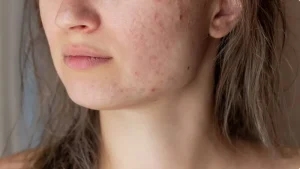
Demodex is a type of microscopic parasite that lives inside hair follicles and sebaceous glands. In healthy skin, Demodex exists in small numbers and does not cause harm. However, when conditions favor their growth—such as excessively oily skin, improper skincare habits, use of poor-quality cosmetics, or a damaged skin barrier—the number of Demodex mites rises rapidly and triggers issues like:
-
Redness, irritation, itching
-
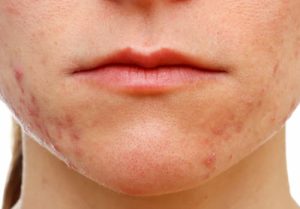
Persistent inflammatory pimples and pustules
-
Rough texture, flakiness, heightened sensitivity
-
A crawling or tingling sensation on the skin
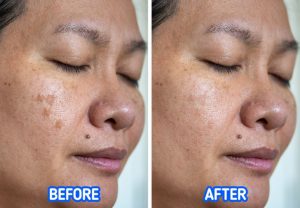
If not treated properly, the condition can become chronic and lead to post-inflammatory hyperpigmentation.
2. Principles of Skincare for Demodex Infestation
To improve this condition, treatment must combine two key factors: reducing Demodex density and restoring the skin barrier. Your skincare routine should aim to:
-
Reduce excess oil
-
Keep pores clear and clean
-
Minimize irritation
-
Strengthen the barrier to prevent recurrence
-
Maintain healthy lifestyle habits
3. Step-by-Step Skincare Routine for Demodex Infestation
3.1. Gentle Cleansing – Limiting the Habitat of Demodex
During infestation, the skin becomes fragile and sensitive, so choosing the right cleanser is essential.
Recommended approach:
-
Use a mild cleanser with a pH of 5.5–6.0
-
Avoid harsh foaming cleansers or scrubs
-
Cleanse twice daily; avoid overwashing
-
Use a gentle cleansing water at night if sunscreen is applied
Proper cleansing helps reduce sebum — the main food source for Demodex mites.
3.2. Use Demodex Treatment Products as Directed by Specialists
Depending on the severity, dermatologists may prescribe:
-
Benzyl benzoate
-
Permethrin
-
Sulfur-based creams
-
Tea tree oil (proper concentration)
-
Metronidazole gel or cream
Important: Do not self-increase dosage or combine multiple harsh products — this can cause burns, inflammation, and worsen the condition.
3.3. Soothe and Calm the Skin
Skin infested with Demodex often experiences redness and irritation. Soothing ingredients help alleviate these symptoms.
Suitable ingredients include:
-
Panthenol (Vitamin B5)
-
Aloe vera
-
Centella Asiatica
-
Madecassoside
-
Allantoin
These ingredients reduce stinging, dryness, and help support barrier repair.
3.4. Moisturize Properly Without Causing Congestion
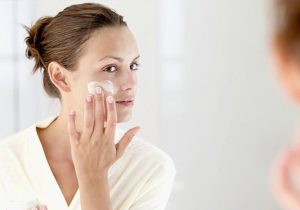
Many people think moisturizing isn’t necessary during Demodex infestation, but that is incorrect. A healthy skin barrier requires stable hydration.
Choose moisturizers that:
-
Have lightweight textures (gel or lotion)
-
Avoid heavy oils or occlusive silicones
-
Contain ceramides, hyaluronic acid, or niacinamide
Niacinamide is particularly beneficial because it helps regulate oil production and strengthens the barrier.
3.5. Protect the Skin with Sunscreen
Sun exposure worsens inflammation and slows recovery. For skincare during Demodex infestation, choose sunscreens that:
-
Have lightweight, non-comedogenic formulas
-
Preferably are physical/mineral sunscreens
-
Have SPF 30–50
Note: If the skin is too sensitive, reduce application frequency or choose sunscreens specifically made for sensitive skin.
Read more:
- Post Laser Skincare: Step-by-Step Guide for Fast Recovery and Safe Healing
- 7 Day Post Peel Skincare: Detailed Guide for Fast Recovery and Reduced Redness
3.6. Minimize Makeup and Multi-Layer Cosmetics
During this period, you should avoid:
-
Heavy makeup
-
Long-wear foundation
-
Layering multiple serums
-
Oil-based or occlusive cosmetics
These products can clog pores and create an ideal environment for Demodex to grow.
4. Lifestyle Habits to Support Treatment
To enhance treatment effectiveness, you must adjust daily habits.
4.1. Clean Bedding and Personal Items Frequently
Demodex can cling to fabrics such as towels, pillowcases, and makeup tools. You should:
-
Wash pillowcases and towels 2–3 times per week
-
Let them dry under sunlight
-
Avoid sharing personal items
4.2. Adjust Your Diet
Daily diet directly affects oil production.
Foods to prioritize: vegetables, fatty fish, nuts, low-sugar fruits.
Foods to limit: spicy food, dairy, greasy dishes, refined sugar.
4.3. Reduce Stress – a Trigger for Demodex Flare-Ups
Stress influences hormones and increases sebum production. Practicing meditation, yoga, and maintaining adequate sleep will help balance the skin.

5. Common Mistakes When Caring for Demodex-Infested Skin
Many people make their condition worse by following improper skin routines. Common mistakes include:
-
Overusing Demodex treatment products → skin burns
-
Picking or squeezing pimples → increased inflammation and scarring
-
Washing too frequently → damages the barrier
-
Using heavy or oily cosmetics → clogs pores
-
Skipping sunscreen
-
Lacking consistency during treatment
Misguided skincare can prolong recovery or cause frequent relapses.
6. How Long Does It Take for Skin to Heal?
Depending on the severity and treatment method, recovery time varies. With a correct skincare routine for Demodex infestation, improvements typically occur:
-
2–4 weeks: reduced itching and inflammation, smoother skin surface
-
6–8 weeks: strong recovery, lower recurrence risk
-
8–12 weeks: significant improvement, restored skin barrier
Severe cases may require professional dermatological treatment.
7. Conclusion
Skincare for Demodex infestation requires patience, consistency, and the correct routine. You must combine gentle cleansing, targeted treatment, barrier repair, and lifestyle adjustments to achieve optimal recovery. When followed properly, these steps help calm irritation, restore skin health, and reduce the chance of Demodex returning.
Bài viết liên quan



Beauty Blog News