Tiếng Việt
Safe Melasma Treatment for Sensitive Skin: Effective Solutions for Healthier and Brighter Skin
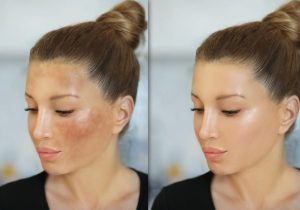
Melasma is a common pigmentation issue that affects not only the appearance of the skin but also the confidence of many people in daily life. However, for individuals with sensitive skin, treating melasma can be even more challenging because the skin is more prone to irritation, redness, and damage when exposed to strong skincare products or aggressive treatments. Therefore, safe melasma treatment for sensitive skin should not only focus on fading pigmentation but also on restoring the skin barrier and maintaining long-term skin health.
Today, many people make the mistake of rushing into treatment by using quick-whitening creams or combining multiple strong products at once. Unfortunately, this often weakens the skin further and makes melasma even harder to treat. In reality, sensitive skin requires a gentle yet effective skincare approach that gradually improves pigmentation without causing irritation or inflammation.
This article will help you better understand how to safely treat melasma for sensitive skin, from choosing the right ingredients to building a proper skincare routine.
Why Sensitive Skin Is More Prone to Melasma
Sensitive skin usually has a weaker natural protective barrier compared to healthy skin. When this barrier becomes compromised, the skin is more vulnerable to environmental stressors such as UV rays, pollution, and inflammation. These factors stimulate melanocyte cells to produce excess melanin, leading to dark spots and melasma.
In addition, sensitive skin tends to react strongly to products containing high concentrations of active ingredients or irritating chemicals. If the skin is not cared for properly, ongoing inflammation may worsen pigmentation and make melasma more persistent and difficult to manage.
Several common causes of melasma in sensitive skin include hormonal changes, excessive sun exposure, chronic stress, lack of sleep, and the use of unsuitable skincare products. That is why successful melasma treatment should address both pigmentation issues and the overall health of the skin barrier.

Important Principles for Treating Melasma Safely on Sensitive Skin
When treating melasma on sensitive skin, safety should always be the top priority. Instead of using harsh products that promise rapid results, it is better to focus on gentle and sustainable methods that gradually improve the skin.
One of the most important principles is avoiding unnecessary skin damage. Aggressive exfoliation, strong chemical peels, or harsh treatments may weaken the skin barrier even further, increasing the risk of irritation and post-inflammatory hyperpigmentation.
At the same time, sensitive skin needs continuous repair and hydration throughout the treatment process. A healthy skin barrier helps the skin defend itself against external damage and reduces the formation of new melanin.
Another essential factor is strict sun protection. No matter how expensive or effective a melasma treatment product may be, it cannot deliver long-lasting results if the skin is not properly protected from UV rays.
Effective Ingredients for Sensitive Skin With Melasma
Sensitive skin does not tolerate overly strong ingredients or high concentrations well. Therefore, it is important to choose gentle yet effective ingredients that can improve pigmentation safely.
Niacinamide is one of the most recommended ingredients for sensitive skin with melasma. It helps brighten the skin, reduce pigmentation, and strengthen the skin barrier at the same time. When used in appropriate concentrations, Niacinamide can also calm redness and irritation.
Tranexamic Acid is another highly effective ingredient in modern melasma treatments. It is considered relatively gentle and suitable for most skin types, including sensitive skin. Tranexamic Acid works by inhibiting melanin production and gradually fading stubborn pigmentation.
Vitamin C is a powerful antioxidant that helps improve skin radiance and protect against free radical damage. However, people with sensitive skin should start with mild Vitamin C derivatives instead of highly concentrated formulas to minimize the risk of irritation.
In addition, barrier-repairing ingredients such as Ceramides, Panthenol, and Hyaluronic Acid are extremely important during the melasma treatment process. These ingredients help maintain moisture and support the skin’s natural recovery process.
Skincare Routine for Sensitive Skin With Melasma
To treat melasma effectively while keeping sensitive skin healthy, the skincare routine should remain simple but complete.
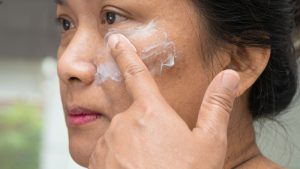
In the morning, start with a gentle cleanser that removes impurities without stripping the skin. Follow with a hydrating toner to balance the skin and prepare it for better absorption of active ingredients. A treatment serum containing ingredients like Niacinamide or Tranexamic Acid can then be applied to target pigmentation. Finally, use a barrier-repairing moisturizer and a broad-spectrum sunscreen with SPF 50+.
At night, the focus should be on skin recovery and nourishment. After removing makeup and cleansing the skin, apply a treatment serum followed by a soothing moisturizer with restorative ingredients. If you want to use Retinol, begin with a low frequency so the skin has time to adapt gradually.
An important reminder is not to overload the skin with too many active ingredients at once. Sensitive skin can easily become irritated when exposed to excessive treatments simultaneously.
Why Sunscreen Is the Most Important Step
During melasma treatment, sunlight is considered the skin’s biggest enemy. UV rays stimulate melanin production and cause dark patches to become more noticeable. For sensitive skin, sun exposure can also trigger inflammation and weaken the skin barrier further.
This is why sunscreen should be applied every single day, even when staying indoors or during cloudy weather. People with melasma should choose sunscreens specifically designed for sensitive skin, preferably formulas that are lightweight and free from harsh alcohol or strong fragrances.
In addition to sunscreen, wearing hats, sunglasses, and UV-protective clothing can provide extra protection and help prevent melasma from worsening.
Common Mistakes When Treating Melasma on Sensitive Skin
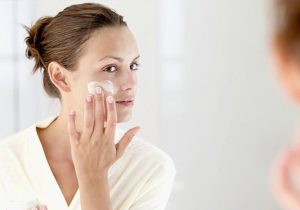
One of the most common mistakes is using unverified whitening creams or mixed creams that promise instant results. Many of these products contain corticosteroids, which may temporarily brighten the skin but can severely damage the skin barrier over time. As a result, the skin becomes thinner, weaker, and more prone to recurring pigmentation.
Another common mistake is constantly switching products because results are not visible immediately. In reality, melasma treatment requires patience and consistency, often taking several months before significant improvement appears.
Over-exfoliating or using strong chemical peels too frequently can also trigger inflammation and worsen pigmentation in sensitive skin.
Healthy Lifestyle Habits That Support Melasma Treatment
Besides skincare, lifestyle habits play a crucial role in maintaining healthy skin and supporting melasma treatment.
People with melasma should consume a diet rich in vitamins and antioxidants from green vegetables, fruits, and nuts. Adequate sleep, stress management, and avoiding late nights are also important for maintaining hormonal balance and promoting skin recovery.
Drinking enough water daily helps keep the skin hydrated and supports the body’s natural detoxification process.
Safe melasma treatment for sensitive skin requires patience, consistency, and the right skincare approach. Instead of chasing quick whitening solutions, it is far more important to strengthen the skin barrier and use gentle ingredients that suit sensitive skin conditions.
Healthy skin is the foundation for long-term melasma improvement. By combining a scientific skincare routine, proper sun protection, and a healthy lifestyle, sensitive skin can gradually become brighter, healthier, and more even-toned over time.
Bài viết liên quan


Beauty Blog News