Tiếng Việt
Why Are Many Melasma Creams Ineffective?
Melasma is one of the most common pigmentation problems that concerns many women, especially after the age of 25 or following pregnancy. Today’s skincare market offers countless melasma treatment creams advertised as quick solutions for fading dark spots and whitening the skin within just a few weeks. However, in reality, many people try multiple products without seeing improvement, and in some cases, their melasma even becomes worse. So, why are many melasma creams ineffective? This article will help you understand the real reasons behind treatment failure and how to approach melasma treatment more effectively for long-lasting results.
What Is Melasma?
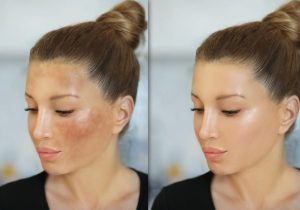
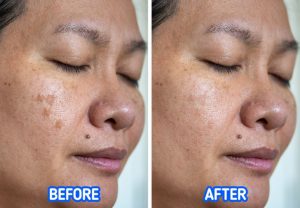
Melasma is a skin pigmentation disorder caused by excess melanin production in the skin, resulting in brown, gray, or dark patches on the face. It commonly appears on the cheeks, forehead, nose, and chin.
The most common types of melasma include:
- Epidermal melasma
- Dermal melasma
- Mixed melasma
Melasma is often linked to hormonal changes, sun exposure, aging, and genetic factors. Therefore, it is not simply a surface skin issue but also related to internal body processes.
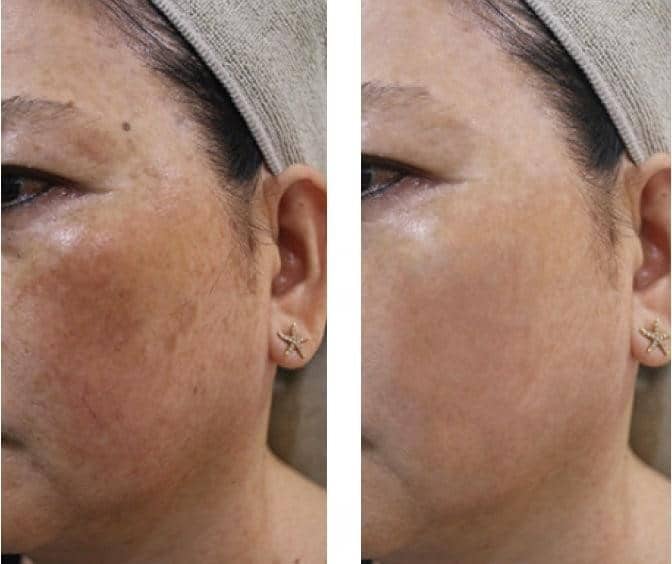
Why Are Many Melasma Creams Ineffective?
Many people believe that using expensive whitening or anti-melasma creams is enough to completely remove pigmentation. In reality, melasma is a complex condition that requires treating the root cause. Below are the most common reasons why many melasma creams fail to deliver results.
Failure to Identify the Correct Type of Melasma
Each type of melasma forms differently and requires a specific treatment approach.
Epidermal Melasma
This type appears in the upper layer of the skin and is generally easier to improve with skincare products and topical treatments.
Dermal Melasma
Pigment lies deeper within the skin, making it difficult for creams to penetrate effectively.
Mixed Melasma
This is a combination of epidermal and dermal melasma and usually requires long-term treatment with multiple methods.
Without identifying the correct type of melasma, using products based solely on advertising claims often leads to poor results.
Overusing Too Many Creams
One common mistake is constantly switching products when fast results are not seen.
Using too many melasma creams can cause:
- Skin irritation
- A weakened skin barrier
- Increased sensitivity to sunlight
- Higher risk of inflammation and hyperpigmentation
Melasma requires time and patience to improve. Being overly aggressive with treatments often damages the skin further.
Using Unsafe or Unverified Products
There are many unregulated products marketed as “instant melasma cures” promising visible improvement within days.
These products often contain:
- Corticosteroids
- High concentrations of hydroquinone
- Strong bleaching agents
Initially, the skin may appear brighter and melasma may temporarily fade. However, over time, these products can lead to:
- Thin and fragile skin
- Increased irritation
- Severe rebound pigmentation
- Broken capillaries and dermatitis
This is one of the main reasons why many people experience worsening melasma after treatment.
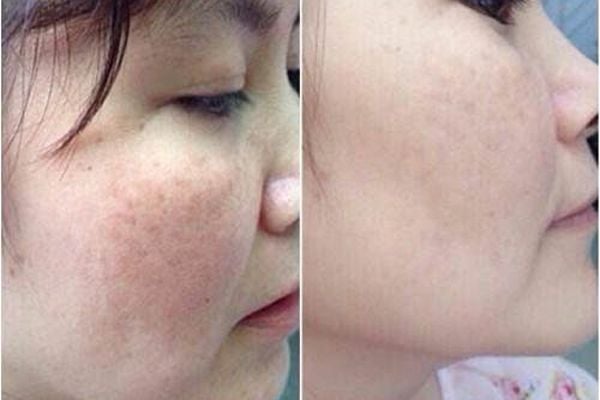
Lack of Proper Sun Protection
No matter how effective a melasma cream may be, failing to protect the skin from the sun will significantly reduce results.
UV rays stimulate melanin production, causing:
- Darker pigmentation
- Spreading melasma patches
- Faster skin aging
Many people only apply sunscreen on sunny days, but UV rays are still present on cloudy days and indoors near windows.
Treating Only the Surface While Ignoring Internal Causes
Melasma is often associated with:
- Hormonal imbalance
- Chronic stress
- Lack of sleep
- Poor diet and unhealthy lifestyle habits
If treatment focuses only on topical creams without addressing internal health, melasma is more likely to return.
This explains why some people use melasma creams for years without achieving lasting improvement.
Choosing the Wrong Ingredients
Not every ingredient works well for every skin type.
Common anti-melasma ingredients include:
- Vitamin C
- Niacinamide
- Tranexamic Acid
- Alpha Arbutin
- Retinol
- Azelaic Acid
However, using the wrong concentration or combining ingredients improperly may irritate the skin and worsen pigmentation.
For example:
- High-strength retinol may cause peeling and irritation on sensitive skin
- Unstable Vitamin C formulas can oxidize and stress the skin
- Incorrect hydroquinone use may trigger rebound hyperpigmentation
Lack of Patience During Treatment
One of the biggest reasons melasma treatment fails is unrealistic expectations.
The skin renewal cycle usually lasts around 28–45 days. Since melasma involves deep pigmentation, it typically requires:
- 2–3 months to see initial improvement
- 6 months to 1 year for more stable results
Many people stop treatment too early or constantly change products, preventing the skin from adapting and recovering properly.
Treating Melasma at the Wrong Time
During certain life stages such as:
- Pregnancy
- Postpartum recovery
- Perimenopause
Hormonal fluctuations become more intense, making melasma more difficult to treat. Using strong treatments during these sensitive periods may worsen the condition.
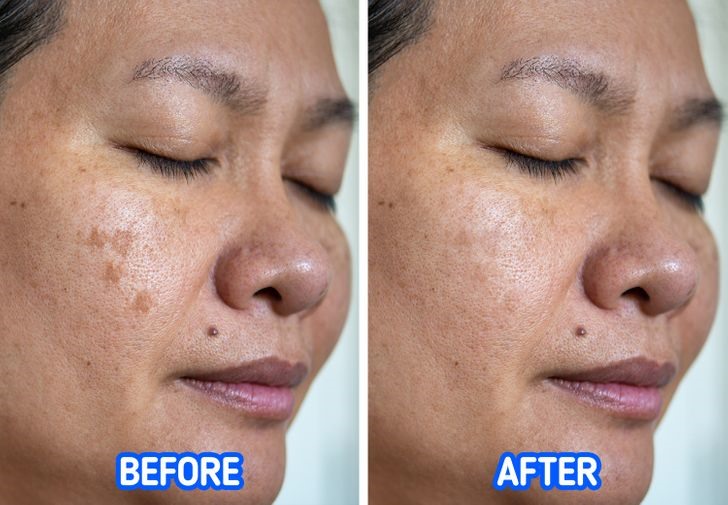
Common Mistakes That Reduce the Effectiveness of Melasma Creams
In addition to choosing the wrong products, several daily habits can interfere with treatment results.
Staying Up Late Frequently
The skin regenerates most actively at night. Lack of sleep slows down the skin repair process.
Skipping Moisturizer
Dehydrated skin becomes more sensitive and loses its natural protective barrier.
Over-Exfoliating
Excessive use of acids or harsh scrubs can thin the skin and increase sensitivity.
Mixing Too Many Active Ingredients
Using multiple strong treatments together may cause inflammation and post-inflammatory hyperpigmentation.
How to Treat Melasma More Effectively
To improve melasma safely and sustainably, a balanced skincare routine and healthy lifestyle are essential.
Build a Suitable Skincare Routine
An effective melasma routine should be simple yet consistent:
- Gentle cleansing
- Brightening serums
- Hydrating moisturizers
- Daily sunscreen
Be Patient and Monitor Your Skin
Most skincare products require at least 8–12 weeks before visible results appear.
Support Your Skin From Within
- Get enough sleep
- Eat more vegetables and fruits
- Drink enough water
- Manage stress levels
Consult a Dermatologist When Necessary
If melasma becomes severe or persists for many years, professional evaluation is recommended to:
- Identify the type of melasma
- Create a personalized treatment plan
- Combine professional procedures if needed
Why are many melasma creams ineffective? The main reasons often include choosing unsuitable products, neglecting sun protection, lacking patience, or focusing only on surface treatment while ignoring hormonal and lifestyle factors. Melasma is a long-term skin condition that requires proper care and consistent treatment for lasting improvement.
Instead of chasing quick-fix solutions, focus on building a healthy skincare routine, protecting your skin from UV exposure, and addressing the root causes of pigmentation. With patience and proper care, your skin can gradually become brighter, healthier, and more even-toned over time.
Bài viết liên quan



Beauty Blog News