Tiếng Việt
Proper Skincare Routine for Melasma: A Scientific Solution for Healthier, Brighter Skin
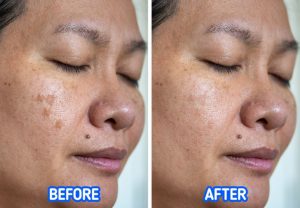
Melasma is one of the most common skin concerns that can significantly affect confidence and overall appearance. This condition not only impacts aesthetics but also reflects deeper skin damage caused by sun exposure, hormonal changes, and aging. However, by following the right skincare routine for melasma-prone skin, you can effectively improve pigmentation, fade dark patches, and maintain healthy skin in the long term.
In this article, you will learn about the causes of melasma and discover a scientifically based skincare routine that is safe, effective, and suitable for daily use.
What Is Melasma?
Melasma is a skin condition characterized by excessive melanin production, leading to brown, gray, or dark patches on the skin. These patches commonly appear on the cheeks, forehead, chin, and nose. Melasma is especially common in women over the age of 25, particularly during pregnancy, after childbirth, or among those frequently exposed to sunlight.
Common Types of Melasma
- Epidermal melasma: Appears as larger patches on the skin surface.
- Dermal melasma: Darker spots located deeper within the skin layers.
- Mixed melasma: A combination of both epidermal and dermal melasma.
Identifying the correct type of melasma is essential for building an effective skincare and treatment plan.

Causes of Melasma
Understanding the causes of melasma is the first step toward effective treatment and prevention.
1. UV Exposure
Sunlight is the leading factor that stimulates melanin production. Without proper sun protection, melasma can become darker and more noticeable over time.
2. Hormonal Changes
Pregnancy, menopause, and birth control pills can alter hormone levels, triggering melasma.
3. Skin Aging
As we age, collagen production decreases and the skin barrier weakens, making the skin more vulnerable to pigmentation issues.
4. Inappropriate Skincare Products
Overusing products containing harsh chemicals or corticosteroids can damage the skin barrier and worsen melasma.
5. Stress and Unhealthy Lifestyle
Lack of sleep, chronic stress, and poor nutrition may contribute to the development of melasma.
The Proper Skincare Routine for Melasma-Prone Skin
An effective skincare routine for melasma should focus on three main goals:
- Protecting the skin from UV damage
- Reducing melanin production
- Strengthening and repairing the skin barrier
Below is a dermatologist-recommended skincare routine for people dealing with melasma.
Step 1: Gentle Cleansing
Cleansing is the foundation of every skincare routine and helps the skin absorb active ingredients more effectively.
Morning Routine
- Use a gentle cleanser with a pH level between 5.5 and 6.
- Avoid products containing harsh sulfates or abrasive scrubs.
Evening Routine
- Remove makeup thoroughly, even if you do not wear heavy makeup.
- Double cleansing is recommended to remove sunscreen and impurities effectively.
Important Tip
Do not wash your face excessively, as this may strip away the skin’s natural moisture barrier.
Step 2: Hydrating Toner
People with melasma often have weakened skin barriers, so toners should focus on:
- Hydration
- Soothing the skin
- Balancing the skin’s pH level
Look for toners containing:
- Hyaluronic Acid
- Panthenol
- Centella Asiatica extract
- Low-concentration Niacinamide
Avoid alcohol-based toners, as they can irritate sensitive skin.
Step 3: Treatment Serums for Melasma
This is the most important step in a melasma skincare routine.
Effective Ingredients for Reducing Melasma
Vitamin C
Provides antioxidant protection and brightens the skin.
Niacinamide
Helps regulate melanin production and improves the skin barrier.
Tranexamic Acid
A highly effective ingredient known for reducing pigmentation and melasma.
Alpha Arbutin
Helps brighten uneven skin tone and reduce dark spots.
Retinol
Stimulates cell turnover and improves pigmentation over time.
How to Use Serums Correctly
- Start with lower concentrations to allow the skin to adapt.
- Use consistently for at least 8–12 weeks to see visible results.
- Avoid combining too many strong active ingredients at the same time.
Step 4: Moisturizing and Skin Barrier Repair
Many people focus only on treating pigmentation and forget to repair the skin barrier, which can make melasma worse.
A suitable moisturizer should contain:
- Ceramides
- Peptides
- Hyaluronic Acid
- Vitamin B5
Proper hydration helps:
- Reduce irritation
- Prevent dryness and peeling
- Support skin recovery
Step 5: Sunscreen – The Most Important Step
Without proper sun protection, even the best melasma treatments may become ineffective.
How to Choose Sunscreen for Melasma-Prone Skin
- SPF 50+
- PA++++
- Broad-spectrum protection
- Non-comedogenic formula
Proper Sunscreen Usage
- Apply sunscreen 15–20 minutes before going outside.
- Reapply every 2–3 hours.
- Wear hats, sunglasses, and UV-protective clothing for extra protection.
Morning Routine for Melasma-Prone Skin
- Gentle cleanser
- Hydrating toner
- Vitamin C or Niacinamide serum
- Moisturizer
- SPF 50+ sunscreen
Evening Routine for Melasma-Prone Skin
- Makeup remover
- Gentle cleanser
- Toner
- Melasma treatment serum
- Retinol (2–3 times weekly if tolerated)
- Moisturizer
Common Mistakes When Caring for Melasma-Prone Skin
Using Harsh Exfoliants
Over-exfoliating or excessive chemical peels may worsen pigmentation.
Skipping Sunscreen
This is one of the main reasons melasma returns quickly.
Frequently Changing Products
Skin needs time to adjust and recover.
Using “Instant Whitening” Creams
Products containing corticosteroids may temporarily brighten the skin but can severely damage it in the long run.
Lifestyle Habits That Support Melasma Treatment
Besides skincare, healthy lifestyle habits play a major role in improving melasma.
Eat Skin-Friendly Foods
Include more:
- Green vegetables
- Vitamin C-rich fruits
- Salmon
- Nuts and seeds
Get Enough Sleep
Sleeping 7–8 hours per night helps the skin regenerate more effectively.
Reduce Stress
Yoga, meditation, and regular exercise help balance hormones and improve skin health.
Stay Hydrated
Drinking enough water keeps the skin hydrated and healthy.
When Should You Seek Professional Treatment?
If your melasma is severe or long-lasting, professional treatments may be necessary alongside your home skincare routine, such as:
- Laser treatments
- Mesotherapy
- Medical-grade chemical peels
- Electroporation therapy
These treatments should only be performed at reputable clinics under the supervision of a dermatologist.
Melasma is a long-term skin condition that requires patience and consistency. A proper skincare routine for melasma should not only focus on fading pigmentation but also on repairing and protecting the skin barrier. Choosing the right products, applying sunscreen daily, and maintaining a healthy lifestyle are essential steps toward achieving brighter, healthier, and more even-toned skin.
Remember, melasma cannot be treated overnight. Consistency and proper skincare are the keys to long-lasting results and radiant skin.
Bài viết liên quan



Beauty Blog News