Tiếng Việt
Post-Extraction Skincare: A Safe Recovery Routine to Prevent Dark Spots and Scarring
Extracting acne—whether whiteheads, blackheads, or mild inflammatory pimples—is a common method to clear clogged pores and prevent breakouts from getting worse. However, if you don’t take proper care of your skin afterward, it may become red, swollen, irritated, or even develop hyperpigmentation and scars. The post-extraction recovery phase plays a critical role in determining the effectiveness of the treatment and the long-term health of your skin.
This article provides a detailed guide on how to care for your skin after acne extraction, how to choose the right products, and important precautions to help your skin heal faster, stay bright, and minimize dark spots or scars.
Post-Extraction Skincare: A Safe Recovery Routine to Prevent Dark Spots and Scarring
Why Your Skin Needs Care After Acne Extraction
During extraction, direct pressure is applied to the pores and epidermis. This can cause several temporary changes:
-
Redness, mild swelling, or a stinging sensation
-
Skin surface becomes more exposed and vulnerable to bacteria and dirt
-
Slightly enlarged pores, increasing the risk of new breakouts if not cleaned properly
-
Higher chance of hyperpigmentation or scarring without proper recovery
Therefore, proper post-extraction skincare is essential to protect your skin and shorten the healing time.
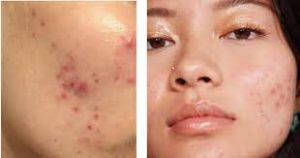
Post-Extraction Skincare Routine
1. Cleanse Your Skin Gently
Right after extraction, your skin is in a sensitive state. You should:
-
Rinse with clean water or saline solution to reduce bacteria without irritating the skin
-
Choose a gentle, low-foam cleanser free of alcohol and strong fragrances
-
Avoid scrubbing or using rough towels
Gentle cleansing helps prevent infection, reduce swelling, and protect the newly formed skin barrier.
2. Moisturize and Repair the Skin
After extraction, your skin needs moisture to support the regeneration process. Well-hydrated skin reduces redness, peeling, and dark spots. You should:
-
Apply a soothing moisturizer with ingredients like Panthenol (B5), Hyaluronic Acid, Ceramides, or Madecassoside
-
Use 2–3 times daily depending on dryness
-
Avoid strong exfoliating acids (AHA/BHA) and retinol for the first 3–5 days
Proper moisturization promotes faster healing, reduces inflammation, and prevents scarring.
3. Soothe the Skin With Targeted Serums or Gels
Soothing gels and serums help calm redness and support skin repair. Recommended options include:
-
Aloe vera gel
-
Serums with Centella Asiatica (Cica) extract
-
Low-dose Niacinamide to brighten and reduce irritation
These products help your skin recover without clogging pores.
4. Apply Sunscreen Consistently
Post-extraction skin is extremely prone to hyperpigmentation when exposed to sunlight. Therefore:
-
Avoid direct sunlight for the first 24–48 hours
-
Use a gentle physical or hybrid sunscreen (SPF 30–50) suitable for sensitive skin
-
Reapply every 2–3 hours when outdoors
-
Wear protective clothing such as hats, masks, and sunglasses
Proper sun protection prevents dark spots and long-term scarring.
5. Avoid Touching or Squeezing the Skin
Touching your face or continuing to squeeze pimples while the skin is healing:
-
Increases the risk of infection
-
Prolongs redness
-
Causes pigmentation and scarring
Allow the skin to heal naturally and only extract new pimples at a reputable clinic.
6. Exfoliate Lightly After 3–5 Days
Once your skin starts to heal, gentle exfoliation helps remove dead skin cells and keep pores clear:
-
Choose mild chemical exfoliants like low-percentage AHA/BHA
-
Avoid harsh scrubs
-
Exfoliate 1–2 times per week
This helps prevent clogged pores and reduces the chance of new breakouts.
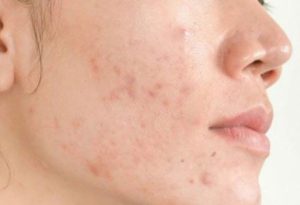
Precautions After Acne Extraction
-
Maintain a healthy diet: Limit sugary and greasy foods; increase fruits, vegetables, and water intake
-
Get enough sleep & manage stress: Helps balance hormones and support skin repair
-
Keep personal items clean: Wash towels, pillowcases, and phones frequently
-
Monitor your skin: Seek help if unusual symptoms appear
When Should You See a Dermatologist?
Consult a dermatologist immediately if you experience:
-
Swelling or redness lasting more than 72 hours
-
Pus, yellow discharge, or foul odor
-
Widespread hyperpigmentation or scarring
-
Severe itching or rash
Early treatment helps prevent complications and protects your skin.
Recommended Products for Post-Extraction Care
-
Gentle, pH-balanced cleansers
-
Soothing gels/serums with aloe vera, Centella Asiatica, or Niacinamide
-
Recovery creams with Ceramides or Panthenol
-
Physical sunscreen SPF 30–50 for sensitive skin
These products support healing, calm irritation, and hydrate the skin without clogging pores.
Conclusion
Post-extraction skincare determines 70–80% of the treatment’s success. By following proper cleansing, moisturizing, repairing, sun protection, and hygiene practices, your skin will recover faster, become smoother, clearer, and less prone to dark spots or scarring. On the other hand, improper aftercare can lead to infections, prolonged redness, or permanent marks.
Stay consistent with a proper routine, choose suitable products for your skin type, and always monitor your skin’s reactions to achieve long-lasting, healthy, radiant skin.
Bài viết liên quan


Beauty Blog News