Tiếng Việt
Post-Peel Skincare: A Complete Guide to Speed Up Recovery and Reduce Irritation
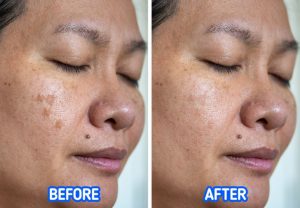
Chemical peeling (skin peeling) is a popular beauty treatment that helps remove dead skin cells, fade dark spots, brighten the complexion, and improve overall skin texture. However, to achieve optimal results and minimize risks, proper post-peel skincare is essential. Right after peeling, your skin becomes more sensitive, dry, red, or flaky, and requires gentle care and protection. This guide provides a detailed, science-based routine to help your skin recover safely and effectively.
Post-Peel Skincare: A Complete Guide to Speed Up Recovery and Reduce Irritation
1. Why Is Post-Peel Skincare Important?
After a peel, the outer layer of skin is removed, leaving the skin barrier temporarily weakened. This makes the skin more vulnerable to UV rays, bacteria, and irritation. Without proper aftercare, you may experience:
-
Prolonged redness
-
Irritation or inflammation
-
Post-inflammatory hyperpigmentation
-
Excessive dryness and flaking
-
Reduced effectiveness of the peel
Consistent and correct post-peel skincare helps the skin recover faster, minimizes irritation, and enhances the overall results of the treatment.
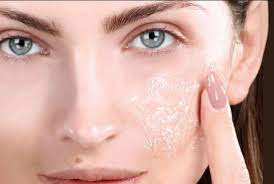
2. Post-Peel Skincare Routine by Stage
Stage 1: The First 24–48 Hours
This is the most sensitive period. Keep your routine minimal:
● Avoid washing your face immediately
If you received a professional peel or used a high-concentration peel at home, avoid washing your face for the first 12–24 hours to let the skin stabilize.
● Avoid touching your face
Hands contain bacteria that may irritate or infect freshly peeled skin.
● Use soothing sprays or saline solution
These help calm the skin and relieve tightness or discomfort.
● Do not apply makeup
Cosmetics may clog pores and increase irritation during this vulnerable period.
Stage 2: Day 2–5 After Peeling
The skin will start to feel tight, dry, and begin flaking:
● Cleanse gently
Use a mild cleanser free of acids and strong foaming agents.
● Increase hydrating and repairing products
Look for ingredients like:
-
Hyaluronic Acid
-
Ceramides
-
Vitamin B5 (Panthenol)
-
Centella Asiatica
These help replenish moisture, repair the skin barrier, and reduce peeling.
● Do NOT pick at peeling skin
Peeling the skin prematurely may cause redness, hyperpigmentation, or scarring.
● Avoid exfoliants and treatment products
AHA, BHA, retinol, and high-strength vitamin C can irritate freshly peeled skin.
Stage 3: Day 5–14 After Peeling
The skin begins to stabilize and regenerate:
● Sunscreen is mandatory
Use SPF 50+, PA++++, preferably a physical (mineral) sunscreen.
Reapply every 2–3 hours when outdoors.
● Keep the skin well-hydrated
Deep hydration helps speed up healing and prevents hyperpigmentation.
● Gradually return to a gentle skincare routine
After 7–10 days, you may introduce mild vitamin C (MAP, SAP).
Retinol and acids should only be reintroduced when the skin is fully healed—typically after 2–3 weeks.
3. Things You Must Avoid After a Peel
To prevent irritation and complications, avoid the following:
-
Washing your face with hot water
-
Steam treatments or facial massages
-
High-intensity workouts that cause heavy sweating
-
Direct sun exposure
-
Products with fragrance, alcohol, or strong preservatives
-
Clay masks or peel-off masks
Following these guidelines helps ensure a safe recovery and protects your skin from damage.
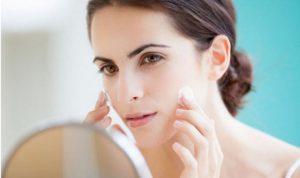
4. Recommended Post-Peel Skincare Products
● Cleansing:
-
Gentle facial cleanser
-
0.9% saline solution
● Hydration & Repair:
-
B5 serum
-
Ceramide moisturizer
-
Centella Asiatica gel
● Protection:
-
Mineral sunscreen
-
Soothing facial mist
● Enhanced skin regeneration:
-
Low-strength vitamin C (after 7–10 days)
-
Advanced recovery products recommended by a dermatologist
5. When Should You See a Dermatologist?
Seek medical advice if you notice any of the following:
-
Redness lasting more than 72 hours
-
Large patches of peeling or fluid discharge
-
Severe inflammatory acne
-
Swelling, pain, or warmth
-
Significant darkening of the skin
Prompt treatment helps prevent scarring and long-term damage.
Conclusion
Proper post-peel skincare is essential for achieving smooth, radiant, and healthy-looking skin. Prioritize gentle care, adequate hydration, and strict sun protection to support optimal recovery. If you experience any unusual symptoms, consult a dermatologist promptly. Following the right aftercare routine ensures the best results from your peel treatment and helps you maintain glowing, refreshed skin.
Bài viết liên quan


Beauty Blog News