Tiếng Việt
Post-Treatment Skincare After Skin Whitening Infusion: A Complete Guide for Healthy, Radiant Skin
Skin whitening infusion is a modern cosmetic procedure that helps improve skin tone, brighten the complexion, and reduce dark spots. However, to achieve optimal results and maintain healthy, glowing skin, proper aftercare plays a crucial role. This recovery phase determines how quickly your skin heals, how well it absorbs nutrients, and how effectively you can prevent unwanted side effects.
This comprehensive guide will walk you through the essential steps of post-infusion skincare, recommended products, and important precautions to help your skin recover faster, stay radiant, and look naturally even-toned.
Why Is Post-Treatment Skincare Important After a Skin Whitening Infusion?
The whitening infusion process typically involves injecting brightening nutrients, vitamins, and active ingredients into the epidermis or dermis. While this helps enhance absorption, it also makes the skin more sensitive and prone to irritation if not cared for properly.

Common reactions after treatment may include:
-
Redness, mild swelling, or tingling
-
Light flaking as the skin regenerates
-
Thinner, more sensitive skin
-
Higher risk of hyperpigmentation or infection without proper care
Therefore, post-treatment care helps:
-
Strengthen the skin’s protective barrier
-
Boost nutrient absorption and maximize whitening effects
-
Reduce redness, swelling, and darkening
-
Prevent bacterial infection and other complications
Essential Skincare Routine After a Skin Whitening Infusion
1. Gentle Cleansing
Right after the procedure, the skin becomes highly sensitive. Cleansing properly helps remove dirt and bacteria without causing irritation.
-
Use mild cleansers free from fragrance, alcohol, and harsh surfactants
-
Wash with lukewarm water, avoiding hot water
-
Massage gently, avoiding rubbing or using rough towels
-
Cleanse 1–2 times a day, depending on skin sensitivity
Proper cleansing helps prevent inflammation, reduce breakouts, and prepare the skin for the next steps.
2. Hydration & Skin Barrier Recovery
Post-infusion skin often becomes dehydrated, flaky, and tight. Moisturizing is essential to restore softness and support healing.
-
Choose lightweight, non-comedogenic, gentle moisturizers
-
Recommended ingredients: Hyaluronic Acid, Panthenol, Ceramides, Madecassoside
-
Apply 2–3 times per day, focusing on dry or red areas
-
Avoid strong acids (AHA, BHA), retinol, or exfoliating agents during the first 3–5 days
Proper hydration accelerates healing, reduces redness, and prevents post-inflammatory hyperpigmentation.
3. Use Soothing and Calming Serums
After whitening infusion, the skin needs calming care to reduce redness and encourage cell repair. Suitable options include:
-
Aloe Vera gel or soothing serums
-
Centella Asiatica extract to calm and repair the skin
-
Low-concentration Niacinamide to brighten and reduce irritation
These ingredients help the skin recover without clogging pores, leaving it smoother and calmer.
4. Protect Your Skin Strictly
Post-infusion skin is extremely sensitive to sunlight and environmental aggressors. Sun protection is essential to prevent darkening and maintain treatment results.
-
Use mineral or hybrid (mineral + chemical) sunscreens with SPF 30–50
-
Apply 15–20 minutes before sun exposure; reapply every 2–3 hours outdoors
-
Wear hats, masks, and sunglasses when going outside
-
Avoid direct midday sunlight
Proper sun protection preserves whitening results and prevents premature aging.
5. Avoid Touching the Face or Popping Pimples
Touching or squeezing the skin after treatment is highly dangerous:
-
Increases the risk of infection and inflammation
-
Causes prolonged redness, post-inflammatory hyperpigmentation, or scarring
-
Reduces the effectiveness of the whitening infusion
Allow your skin to heal naturally and follow professional recommendations.
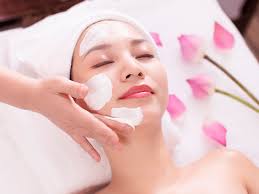
6. Gentle Exfoliation After 5–7 Days
Once the skin starts to recover, light exfoliation helps remove dead skin cells and promote a brighter complexion.
-
Use mild chemical exfoliants such as low-percentage AHAs
-
Exfoliate 1–2 times per week
-
Avoid harsh scrubbing or abrasive tools
Exfoliating properly boosts nutrient absorption and maintains smooth, even-toned skin.
Healthy Habits to Support Skin Recovery
-
Maintain a healthy diet: Drink plenty of water, eat vegetables and fruits to nourish your skin from within
-
Get enough sleep & reduce stress: Supports hormone balance and cell regeneration
-
Keep personal items clean: Towels, pillowcases, and phones should be sanitized to prevent bacterial irritation
-
Monitor skin changes: Seek medical help if unusual symptoms appear
These habits significantly improve recovery and help you maintain radiant, healthy skin.
When Should You Consult a Professional?
Contact a dermatologist or skincare specialist if you experience:
-
Redness or swelling that lasts over 72 hours
-
Pus-filled breakouts, yellow discharge, or unpleasant odor
-
Dark patches, broken capillaries, or unusual reactions
-
Severe itching or signs of irritation
Timely treatment prevents complications and protects the results of your whitening procedure.
Benefits of Proper Post-Infusion Skincare
-
Faster healing and reduced discomfort
-
Long-lasting brightening and smoothing effects
-
Reduced risk of darkening, scarring, or inflammation
-
Enhanced absorption of follow-up skincare products
-
A strong, healthy skin foundation for future treatments
Conclusion
Proper post-infusion skincare determines the effectiveness and safety of your whitening procedure. By following a gentle cleansing routine, hydrating well, soothing the skin, providing sun protection, and maintaining healthy habits, you can achieve a bright, even-toned, and radiant complexion.
Make post-treatment skincare a consistent habit to optimize your results and maintain healthy, glowing skin in the long run.
Bài viết liên quan


Beauty Blog News