Tiếng Việt
Sensitive Skin Care: A Complete Guide to Healthy, Soft, and Calm Skin
Sensitive skin is easily irritated and prone to redness, itching, or burning when exposed to environmental factors, cosmetics, or sudden weather changes. Without proper care, sensitive skin can become thinner, weaker, easily break out, darken, or age prematurely.
This guide provides a scientific skincare routine, product recommendations, and essential tips to help your sensitive skin stay healthy, supple, and less reactive.
Sensitive Skin Care: A Complete Guide to Healthy, Soft, and Calm Skin
Understanding Sensitive Skin
Sensitive skin is more than just a feeling of stinging, redness, or itchiness. It is a skin type with a weakened natural barrier, making it more reactive to the environment, skincare products, or hormonal changes.
Common characteristics include:
-
Thin skin that turns red easily or shows visible capillaries
-
Dryness and flakiness due to moisture imbalance
-
Easily irritated by strong skincare or cosmetic products
-
Prone to inflammatory acne, dark spots, or itching during weather changes
Understanding these traits helps you select the right products and build a safe, effective skincare routine.
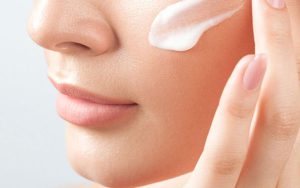
Sensitive Skin Care Routine
Step 1: Gentle Cleansing
Cleansing is essential for sensitive skin, helping remove dirt, sebum, and dead skin cells without damaging the skin barrier.
Product recommendations
-
Mild cleansers without sulfates, strong fragrances, or alcohol
-
Cream or lightweight gel formulations with minimal foam
-
Soothing ingredients like Aloe Vera, Panthenol, or oat extract
Cleansing habits
-
Wash 1–2 times daily to avoid dryness
-
Use lukewarm water instead of hot water
-
Gently massage in circular motions—avoid harsh rubbing
Proper cleansing reduces irritation, prevents breakouts, and keeps your skin soft and clean.
Step 2: Balance & Hydrate
Sensitive skin is prone to dryness, dehydration, and flakiness, so restoring moisture is essential.
Toner / Hydrating Mist
-
Choose alcohol-free, fragrance-free formulas without harsh acids
-
Recommended ingredients: Glycerin, Hyaluronic Acid, chamomile extract, aloe vera
-
Apply after cleansing to balance pH and soothe the skin
Moisturizing for Sensitive Skin
-
Lightweight moisturizer that absorbs quickly and doesn’t clog pores
-
Helpful ingredients: Ceramides, Panthenol, Madecassoside, Niacinamide
-
Apply twice daily, morning and evening, focusing on dry or red areas
Proper hydration helps soften the skin, reduce redness and flakiness, and strengthen its natural defense.
Step 3: Protect the Skin from Environmental Damage
Sensitive skin is highly vulnerable to UV rays, pollution, and dust. Protection is a vital step.
Sun protection
-
Choose physical or hybrid sunscreens with SPF 30–50
-
Avoid products with alcohol, fragrance, or artificial coloring
-
Apply 15–20 minutes before going outside; reapply every 2–3 hours if exposed to sun
Physical protection
-
Use wide-brim hats, masks, and sunglasses
-
Avoid direct sunlight during midday
Proper protection prevents redness, darkening, and early signs of aging.

Helpful Habits for Strong, Healthy Sensitive Skin
-
Gentle exfoliation: Once a week using mild, non-abrasive products
-
Avoid strong actives: Limit high-strength retinol, AHA/BHA acids, and harsh brightening agents
-
Healthy diet: Hydrate well, eat more vegetables and fruits, and reduce spicy or oily foods
-
Quality sleep & stress reduction: Supports hormonal balance and skin recovery
-
Keep personal items clean: Clean towels, pillowcases, and phones to reduce bacteria exposure
These habits enhance recovery, reduce redness and flaking, and prevent irritation.
Important Notes When Caring for Sensitive Skin
-
Always patch-test new products on a small area before full application
-
Avoid rubbing, scratching, or popping pimples
-
Monitor unusual signs such as prolonged swelling, redness, or pus
-
Consult a dermatologist if irritation persists or worsens
Following these precautions ensures long-term health for sensitive skin.
Benefits of Following a Proper Sensitive Skin Routine
-
Reduced redness, itching, burning, and irritation
-
Softer, smoother, and more even-toned skin
-
Lower risk of acne, dark spots, and premature aging
-
Stronger skin barrier and faster recovery
-
A healthy foundation for advanced skincare or treatment products
Even beginners can see noticeable improvements within 2–4 weeks of consistent care.
Conclusion
Caring for sensitive skin requires patience, safe product choices, and a well-structured routine. By following three core steps—gentle cleansing, balancing & hydrating, and protecting the skin—combined with healthy lifestyle habits, you can achieve calm, healthy, and radiant skin while reducing irritation and preventing early aging.
Make sensitive skin care a daily habit to maintain long-term skin health. This is the best foundation before incorporating advanced treatments or active ingredients into your routine.
Bài viết liên quan




Beauty Blog News